
A new landscape for nature and the community.
Help shape our emerging proposals for the long-term restoration of Mansgate Quarry.
Mansgate Restoration is developing proposals to transform the site into a high-quality, nature-led landscape designed to deliver substantial biodiversity enhancement alongside new opportunities for public access and enjoyment.
Our ambition is to create a lasting environmental asset — restoring the land, creating new and improved habitats and opening parts of the landscape for the local community to experience.
Public consultation now open — view the proposals and complete the survey by 30 October 2026
Public consultation now open — view the proposals and complete the survey by 30 October 2026
These proposals are at an early stage.
Before they are finalised, we want to hear from the people who live, work and spend time in the surrounding area.
Consultation closes: 30 October 2026
Help Shape The Future Of The Site
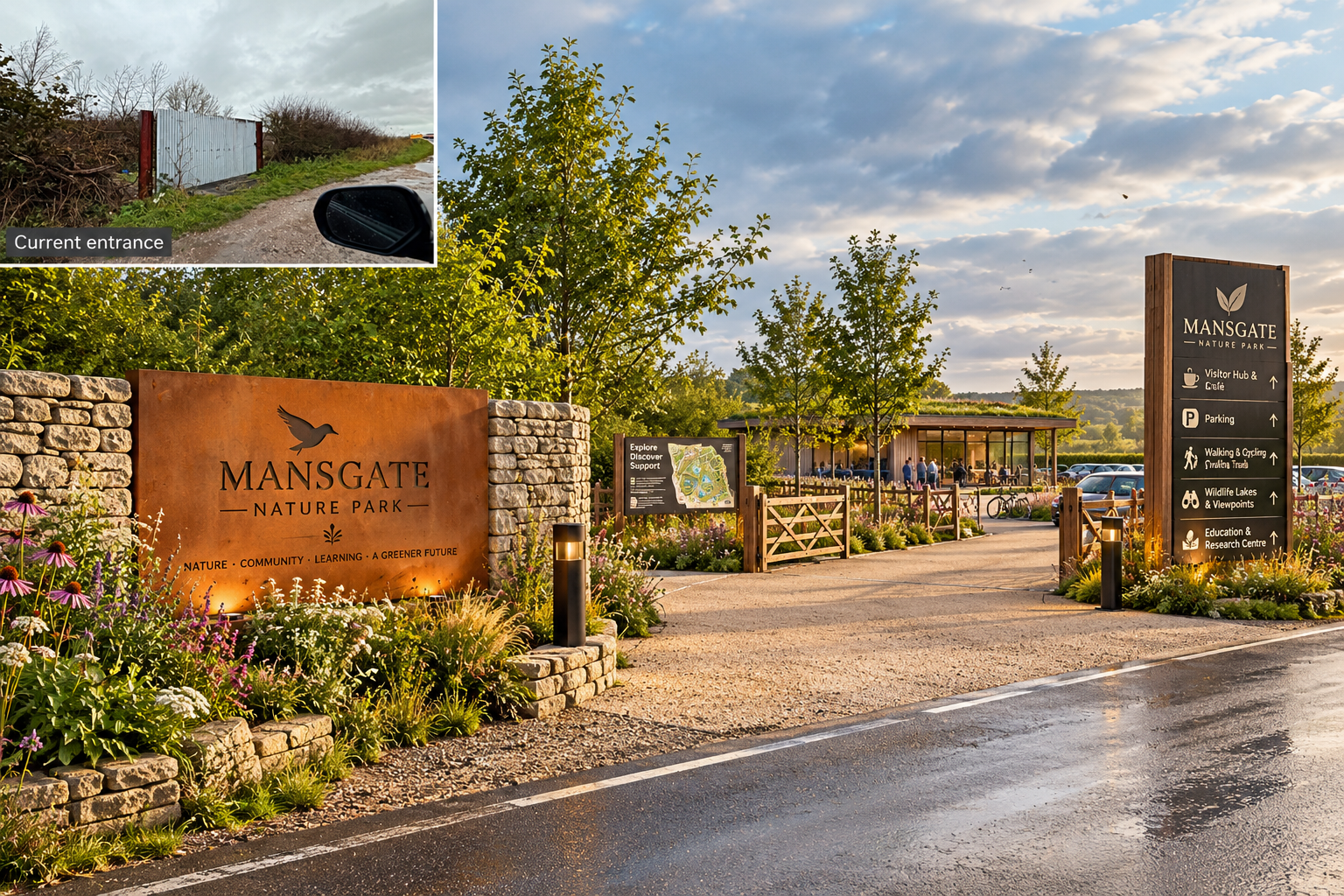
An opportunity to create something positive for the long term
Mansgate Restoration is considering the future restoration of land at Mansgate Quarry, Mansgate Hill in Nettleton, near Caistor, Lincolnshire.
Rather than simply returning the site to a conventional after-use, our ambition is to explore whether it can become a substantial new landscape for wildlife, biodiversity and the wider community.
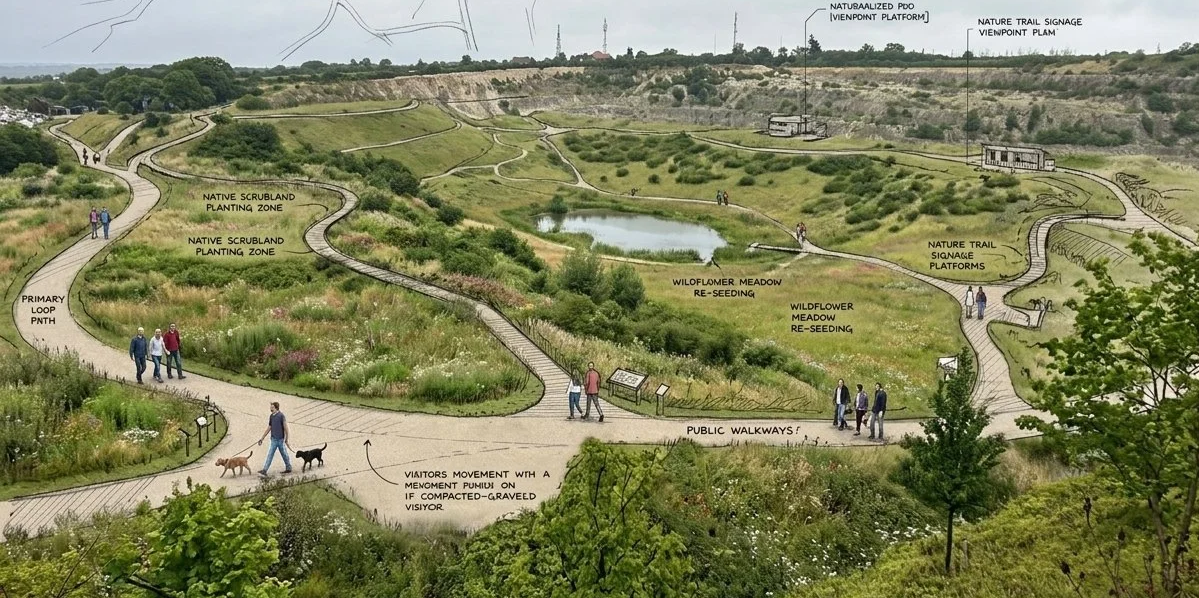
The emerging proposals could create a diverse mosaic of habitats alongside carefully designed public access.
This could include new grassland, woodland and scrub planting, ponds and wetland areas, hedgerows, species-rich habitats and a network of informal walking routes.
At the heart of the project is a simple principle:
Restore the land in a way that gives more back.
More space for nature.
More varied habitats.
More opportunities for wildlife.
More accessible green space.
And a landscape that can be managed positively for generations to come.
The vision
From restored land to a thriving landscape
The project is being developed around four key principles.
Creating and improving habitats with the aim of delivering a substantial and measurable increase in biodiversity.
NATURE FIRST
ACCESS TO NATURE
Exploring opportunities for appropriate public access so that local communities can walk through, experience and enjoy parts of the restored landscape.
Establishing habitats and landscape features that can be carefully managed, monitored and enhanced over the long term.
A LANDSCAPE FOR THE LONG TERM
Designing the restoration with the surrounding area in mind and listening to local knowledge before the proposals are finalised.
PART OF THE COMMUNITY
AN EMERGING LANDSCAPE PLAN
Nature will shape the masterplan
The restoration strategy is still being developed in consultation with specialist ecologists, landscape professionals and the wider project team.
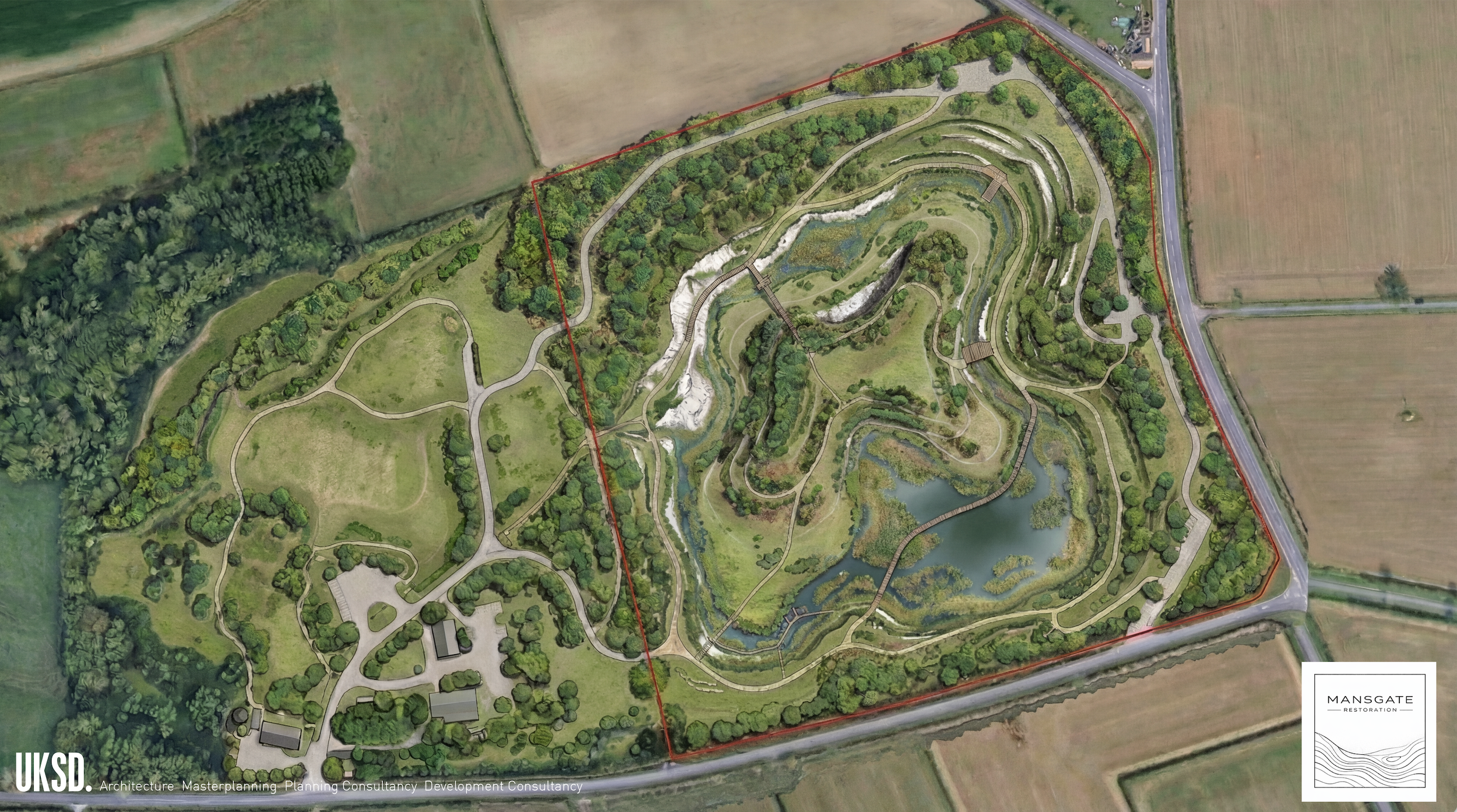
The emerging landscape could include a combination of:
SPECIES-RICH GRASSLAND
Creating diverse grassland habitats capable of supporting wildflowers, insects, birds and other wildlife.
NEW WOODLAND & SCRUB
New areas of native woodland, scrub and structural planting to create habitat, shelter and landscape diversity.
PONDS & WETLAND HABITAT
New aquatic and wetland environments where appropriate, providing another important habitat within the wider landscape.
HEDGEROWS & HABITAT CORRIDORS
Creating and strengthening connections through the site so that wildlife can move between different habitats.
TREES & LANDSCAPE PLANTING
A long-term planting strategy designed to strengthen the character of the restored landscape.
HABITAT MOSAICS
Combining different habitat types rather than creating a single uniform landscape.
THE LOCATION IN WIDER CONTEXT
Biodiversity Net Gain
Creating measurable benefits for nature
Biodiversity Net Gain — commonly known as BNG — is an approach to land management and development that seeks to leave biodiversity in a measurably better condition than before.
The Mansgate proposals are being developed with biodiversity at their heart.
Ecological surveys and detailed assessment will help establish the existing habitats across the site and identify the most appropriate opportunities for habitat creation and enhancement.
The emerging restoration strategy will then be developed using recognised biodiversity assessment methodologies.
Our objective is not simply to satisfy a minimum requirement.
The ambition is to create a high-quality, resilient landscape capable of delivering meaningful ecological improvement over the long term.
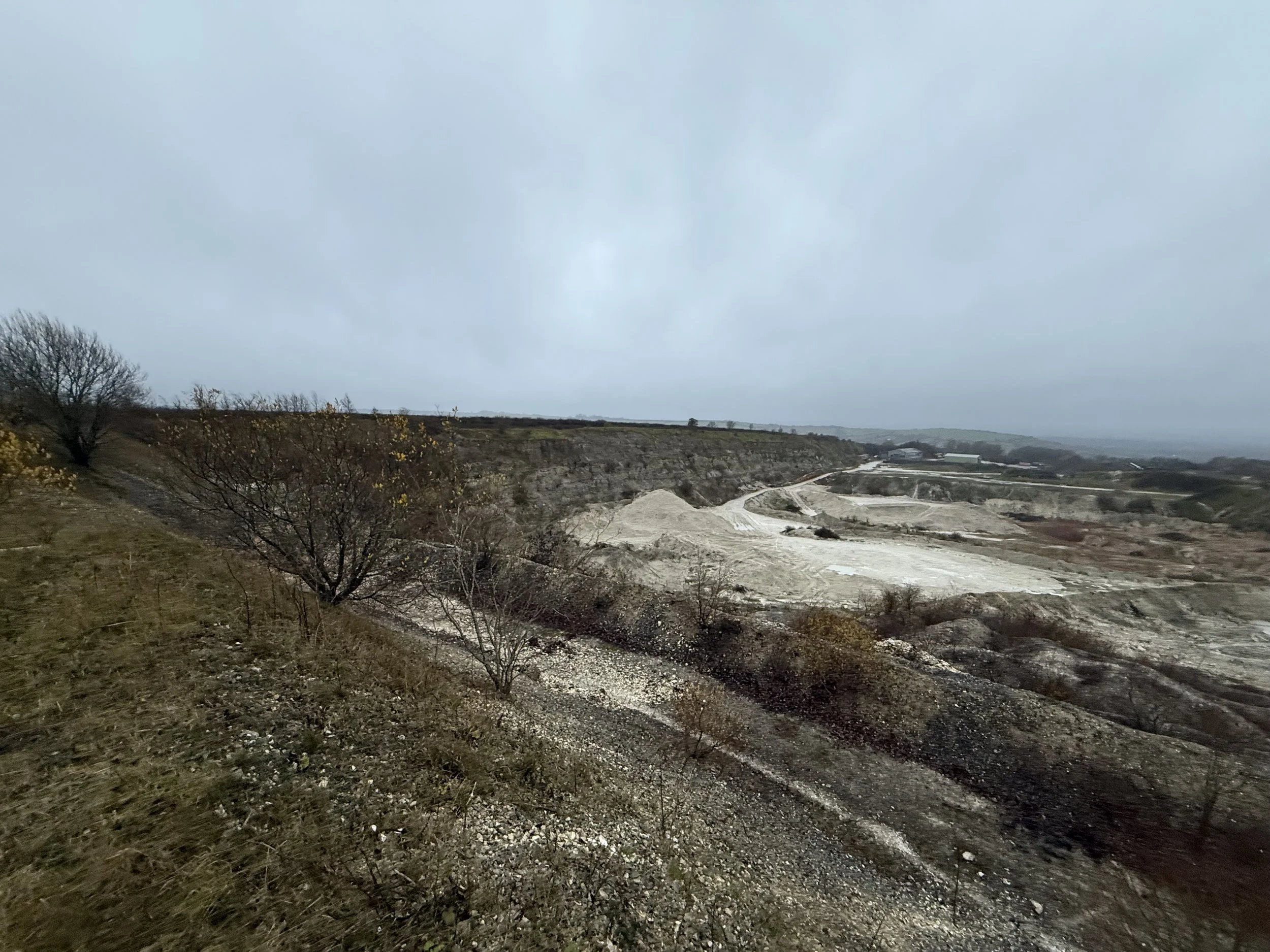
LONG-TERM STEWARDSHIP
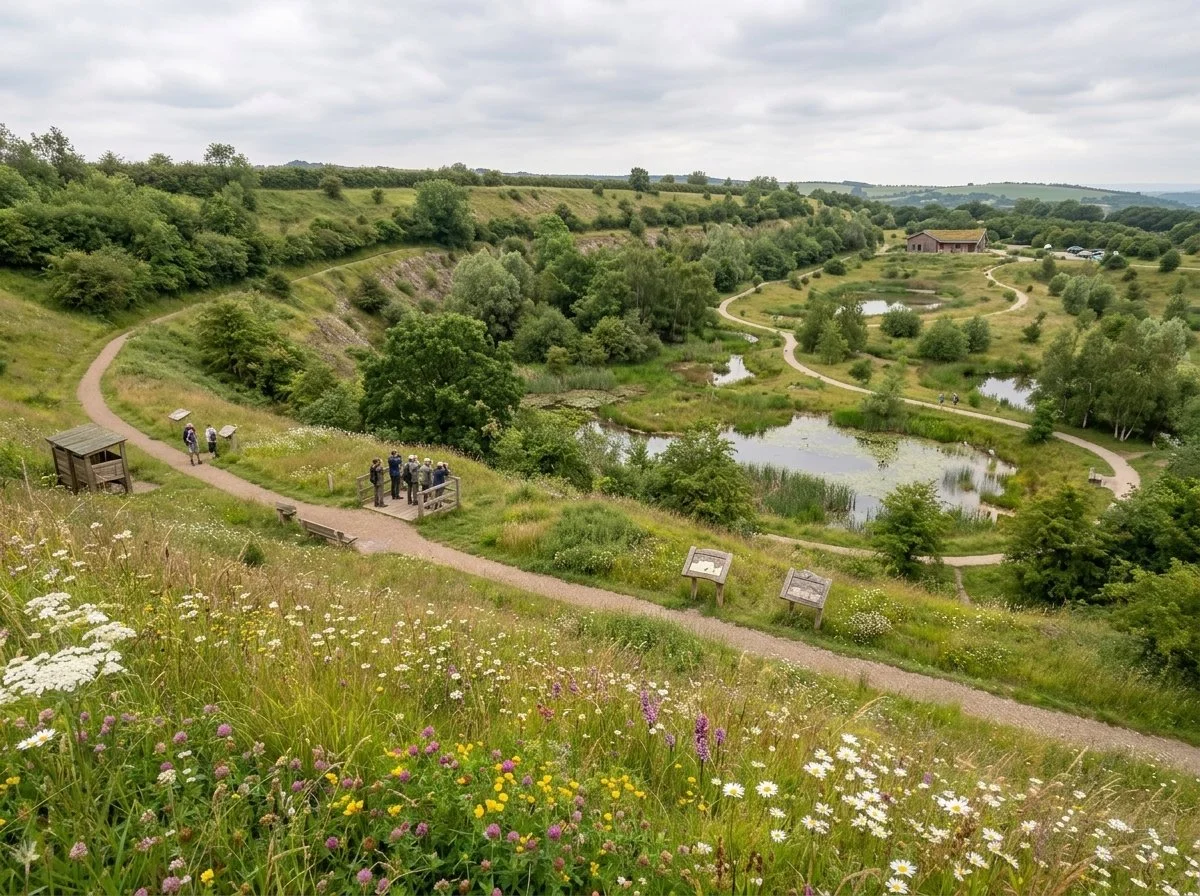
Creating habitats is only the beginning…
Successful nature recovery requires long-term management.
Grasslands need appropriate cutting or grazing.
Woodland needs establishment and management.
Ponds and wetlands need monitoring.
Invasive species need controlling.
Habitats need time to mature.
The restoration proposals will therefore consider not only how the landscape is created, but how it can be managed and monitored into the future.
This long-term approach is fundamental to the vision for Mansgate.
POTENTIAL COMMUNITY BENEFITS
What could the project deliver?
If progressed, the proposals have the potential to create a number of lasting benefits.
MORE SPACE FOR NATURE
A significant area managed primarily to create, improve and connect habitats.
GREATER BIODIVERSITY
New opportunities for plants, insects, birds, mammals and aquatic species.
NEW PUBLIC ACCESS
Potential walking routes allowing local people to experience parts of the restored landscape.
LANDSCAPE IMPROVEMENT
A carefully designed restoration strategy intended to create an attractive and naturalistic landscape.
LONG-TERM MANAGEMENT
A structured approach to maintaining and monitoring habitats over the long term.
ENVIRONMENTAL EDUCATION
Potential interpretation and opportunities to help visitors understand the site's habitats, wildlife and restoration.
HEALTH & WELLBEING
Providing opportunities to walk, spend time outdoors and connect with nature.
A LOCAL ENVIRONMENTAL ASSET
Transforming the land into something intended to provide ecological and community value for decades to come.
DESIGNED WITH NATURE
The Details Matter…
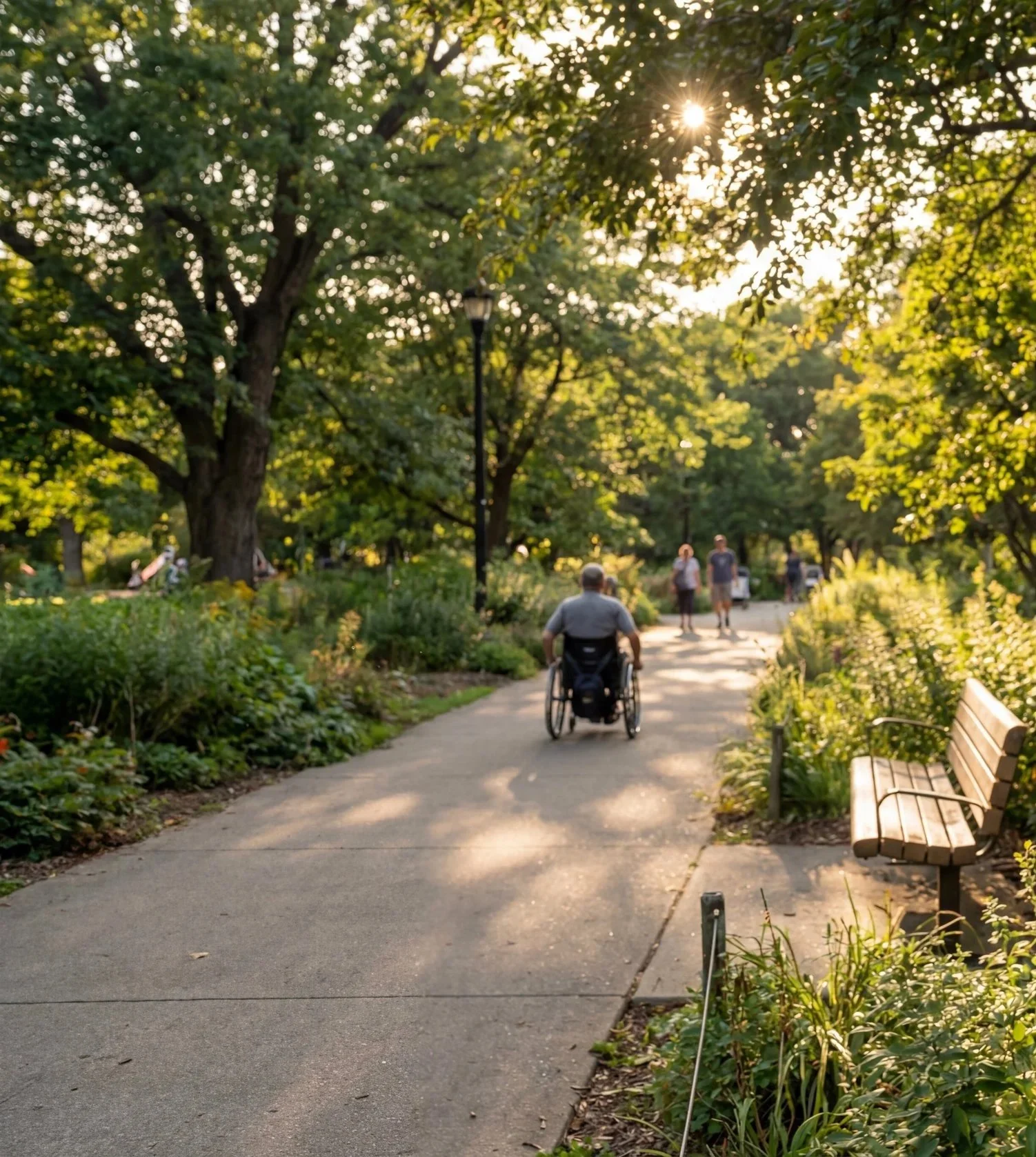
The project team will consider a wide range of factors as the proposals develop.
These include:
Existing habitats and species
Ecological connectivity
Soils and ground conditions
Water and drainage
Landscape character
Existing trees and hedgerows
Neighbouring land uses
Public rights of way
Potential walking routes
Habitat sensitivity
Long-term management
Safety and security
The outcome should be a landscape that works as an interconnected ecological system rather than a collection of isolated areas of planting.
HAVE YOUR SAY - WHAT DO YOU THINK? WHAT WOULD YOU LIKE TO SEE?
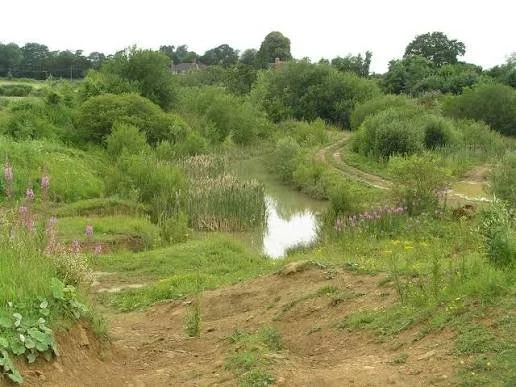
DIFFERENT HABITATS
What types of habitat would you like to see?
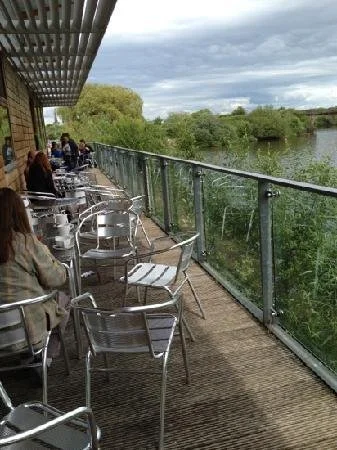
LOCAL EMPLOYMENT
Creating employment through cafes and maintaining of a nature reserve.
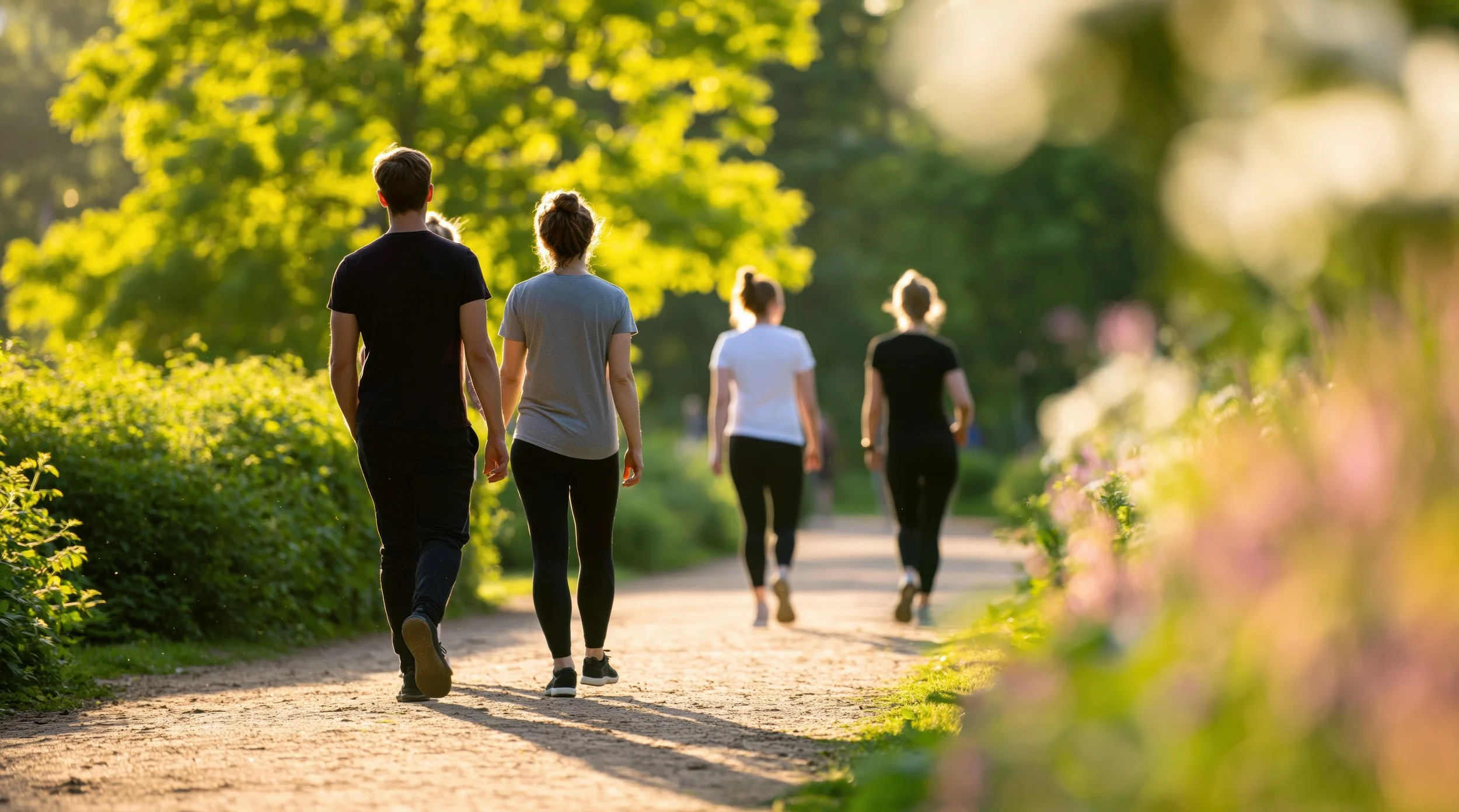
HEALTH & WELLBEING
Providing additional outdoor space to be closer with nature.
LOCAL PLACE-MAKING
Creating a coordinated and landscape-led development at an important entrance to the town.
What do you think about the overall vision for the restoration?
What types of habitat would you particularly like to see?
Would you value public walking routes through the restored landscape?
How would you expect to use the site?
Are there particular local wildlife or landscape features you think we should consider?
Are there any concerns you would like the project team to consider?
Is there anything else you would like included in the proposals?
Your comments will help us understand what matters to local communities as the project develops.
In Particular
This is consultation — not a finished scheme
No final proposal has been fixed.
Ecological assessment, landscape design and other technical work are continuing.
The purpose of consulting at this stage is to give local residents, community groups, businesses and other interested parties an opportunity to see the emerging vision and comment before the proposals are finalised.
Feedback received through this consultation will be reviewed by the project team and will help inform the next stage of the design.
The Proposals Are Still Evolving
Your Questions, Answered
-
No.
The proposals are currently at an early stage and are being presented for public consultation before the scheme is finalised and before any future planning submission.
-
The emerging vision is for the long-term restoration of the site to create a high-quality landscape focused on biodiversity, habitat creation and nature recovery, together with opportunities for appropriate public access.
-
Biodiversity Net Gain is an approach that seeks to leave biodiversity in a measurably better condition than before.
Detailed ecological work will be undertaken to establish the site's existing biodiversity value and the potential biodiversity improvements that could be delivered.
-
Public access is an important part of the emerging vision.
The precise routes and arrangements have not yet been determined and will need to respond to ecological, operational and safety considerations.
We would particularly welcome community feedback on this aspect of the proposals.
-
This has not yet been determined.
The consultation will help us understand local demand while the ecological team considers how access, wildlife and habitat protection can best coexist.
Options could include designated routes or areas where dogs would need to remain under control.
-
That will depend upon the habitats ultimately created and the site's existing ecological characteristics.
The project team will use ecological surveys to help determine which habitat types are most appropriate.
-
Long-term management and monitoring will form an important part of the restoration strategy.
Further detail will be provided as the ecological and technical work progresses.
-
No.
The proposals shown during consultation are emerging ideas.
They may change following consultation feedback, ecological work, technical assessment and further design development.
-
All consultation responses will be reviewed by the project team.
The feedback will help identify local priorities and concerns and will inform the continuing development of the proposals before any planning application is submitted.
HELP US SHAPE THE NEXT CHAPTER
This is an opportunity to create a landscape with lasting value.
For wildlife.
For nature.
For the surrounding community.
And for future generations.
We would like you to be part of the conversation.
The survey should take approximately five minutes to complete.
Closing date: 30th October @ 19:00
Comments received after the closing date may still be reviewed, but respondents should submit within the consultation period wherever possible.
CONTACT THE PROJECT TEAM
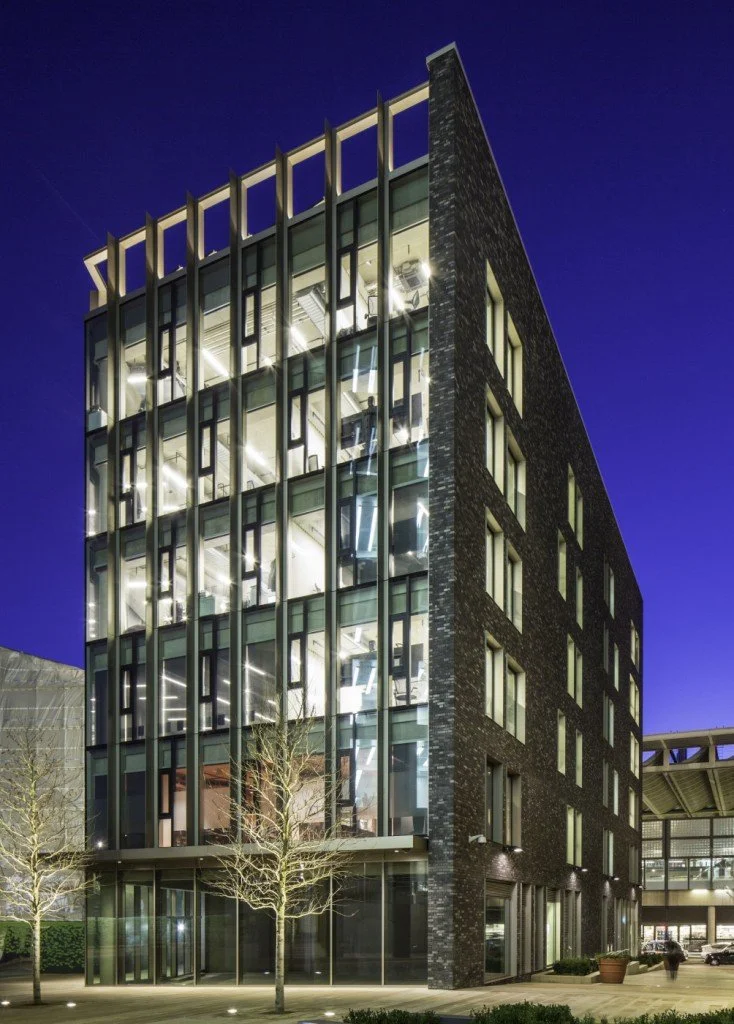
UKSD
Architect, Planning & Development ConsultantEmail: enquiries@uksdgroup.com
Telephone: 020 3633 0490
The Stanley Building
7 Pancras Square
London
N1C 4AG